


The Current State of British Horse Racing: What’s Not On?
Horse racing has been a deeply entrenched part of British culture for centuries, but in recent years, various factors have led to significant changes within the sport. The ongoing pandemic, economic uncertainty, and regulatory adjustments are just a few of the elements impacting the racing calendar. This article delves into the current state of British horse racing, examining events that are not taking place and the broader implications of these cancellations. Additionally, we will discuss alternatives in horse betting, including British horse racing not on GamStop horse betting not on GamStop, which is noteworthy for those keen on online betting experiences.
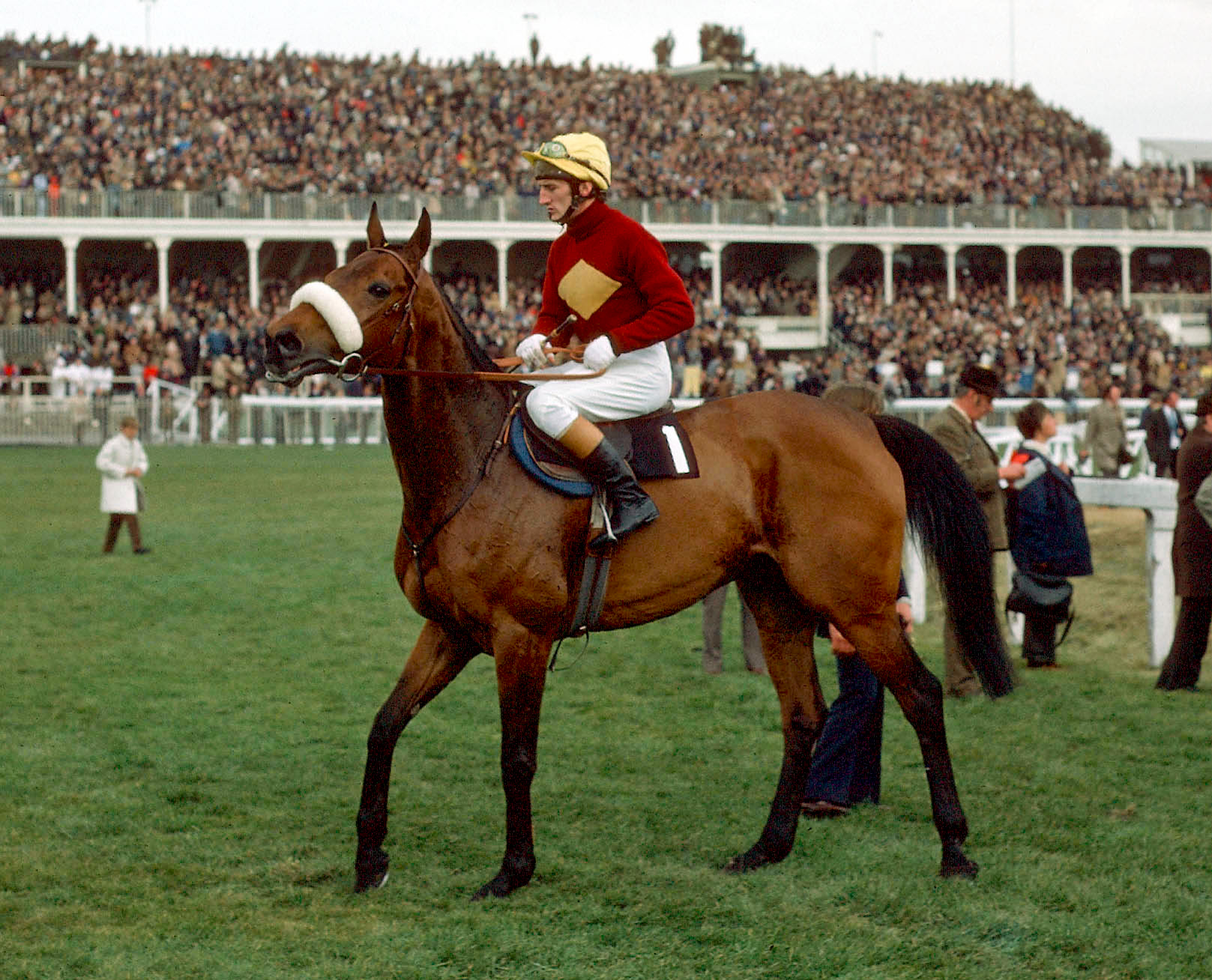
Understanding the British Horse Racing Landscape
British horse racing is often referred to as the “Sport of Kings.” With its rich history dating back to the 16th century, it remains a popular pastime enjoyed by millions of fans worldwide. However, the sport has faced numerous challenges that have led to cancellations and postponements of significant races. The impact of these developments is felt not only by fans but also by owners, trainers, and jockeys who rely on the racing calendar for their livelihoods.
The Impact of COVID-19
The global pandemic has shaken many industries, with British horse racing being no exception. Initially, in March 2020, racing was suspended entirely in the UK, which lasted several months. Although racing resumed in June 2020, the absence of spectators at tracks has altered the vibrant atmosphere that typically accompanies major racing events. Furthermore, without gate receipts, many racecourses have experienced financial hardships that could affect their long-term sustainability.
Financial Factors and Economic Uncertainty
The financial impact of the pandemic has highlighted much deeper systemic issues within the British horse racing industry. As economic uncertainty looms, many horse owners are unable to sustain the costs associated with keeping their horses and entering them in races. Consequently, some owners have chosen to sell their horses rather tha

n face mounting expenses with no guarantee of a return. This trend poses a significant threat to the vibrant competitive spirit that has long characterized British horse racing.
Changes in Betting Regulations
Another significant factor impacting horse racing is the evolving landscape of betting regulations. Online betting has surged in popularity; however, regulatory frameworks have failed to keep up with the pace of change. GamStop, a self-exclusion tool for online gambling, has made it more complicated for some bettors who may seek alternatives, including horse betting not on GamStop. The availability of such opportunities has led to a divide among bettors and could influence the types of races that receive attention moving forward.
Major Events Not Happening
In light of recent events, certain high-profile races have been cancelled or postponed. Events such as the Cheltenham Festival and Royal Ascot, traditionally mainstays in the racing calendar, have faced scrutiny. The reasons can be attributed to a combination of COVID-19 restrictions, economic challenges, and public sentiment. The uncertainty surrounding these races creates anxiety for trainers and owners who invest substantial time and resources into preparing for competition.
The Role of Technology in Racing
Despite the current challenges, technology plays a pivotal role in the future of British horse racing. Innovations in betting technology, data analytics, and virtual experiences can provide fans with new ways to engage with the sport. Virtual horse racing and augmented reality experiences allow fans to enjoy the thrill of the race from the comfort of their homes. These technological advancements also open new doors for betting platforms that may operate independently of GamStop restrictions.
The Future of British Horse Racing
The future of British horse racing looks uncertain, yet the resilience of the industry and its supporters may pave the way for recovery. By focusing on regulatory changes, encouraging new audiences, and leveraging technology, the sport can adapt to the challenges of the modern era. Continued transparency regarding financial health and public engagements will be vital in restoring trust and confidence among fans.
Conclusion
While British horse racing has faced significant challenges, it remains an integral part of British culture. Understanding what events are not on the calendar helps contextualize the financial and emotional stakes for all involved in the industry. Industry stakeholders—including owners, trainers, fans, and bettors—must collaborate to navigate these turbulent times. By recognizing the changing landscape of betting and engaging with innovative solutions, British horse racing can reinvent itself for a new generation of enthusiasts.
